
7 Places Where Termites Commonly Hide Inside a House
Termites can be inside your home without giving any obvious warning. You may never see a single insect, yet a cupboard slowly weakens, a door frame shows unusual damage, or the flooring feels different under your feet. By the time these changes become noticeable, termites may have already been active for some time.
So, where should you look first? Here are seven common places where termites may be hiding inside your house.
Behind Cupboards and Wooden Furniture
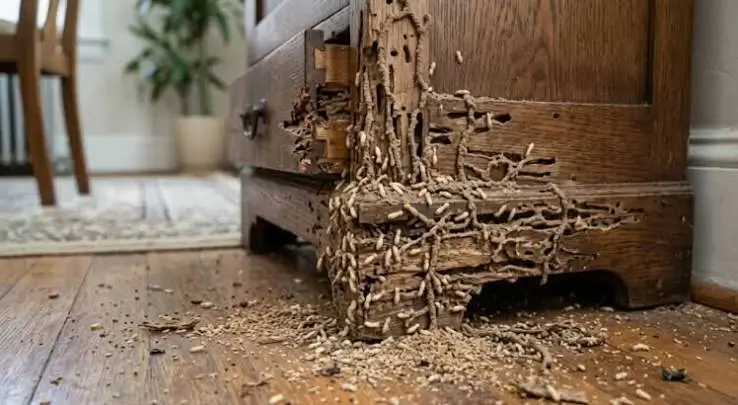
Think about the furniture that has stayed in the same place for years. For example, a large wardrobe, kitchen cabinets, a wooden bed or a bookcase. These are items we rarely check.
Termites can hide behind them and damage the wood silently. From the outside it looks normal, while the inside may already be hollow. Check every 5 to 6 months, especially around:
- Bottom edges
- Back panels
- Joints
- Legs
Not every damaged piece of furniture has termites — but unexplained damage shouldn’t simply be ignored.
These areas are often overlooked because they’re part of the house itself. Most people only notice them when paint begins to peel or a door stops closing properly.
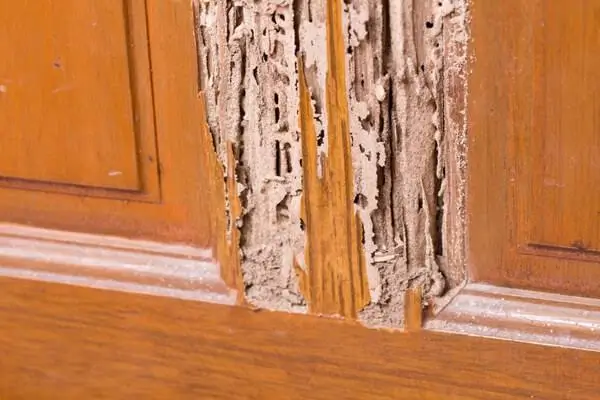
Frames and skirting boards in ground-floor rooms are worth inspecting. Subterranean termites can travel from the soil through concealed routes and eventually reach timber around the building. Look along the lower sections for:
- Small holes in the wood
- Bubbling or damaged paint
- Wood that feels soft
- Narrow mud tubes along the wall
- Cracks or areas in unusual condition
Don’t just brush off a mud tube. It’s a valuable sign that the area needs further examination.
Door and Window Frames or Skirting Boards
Inside Walls and Behind Wall Finishes
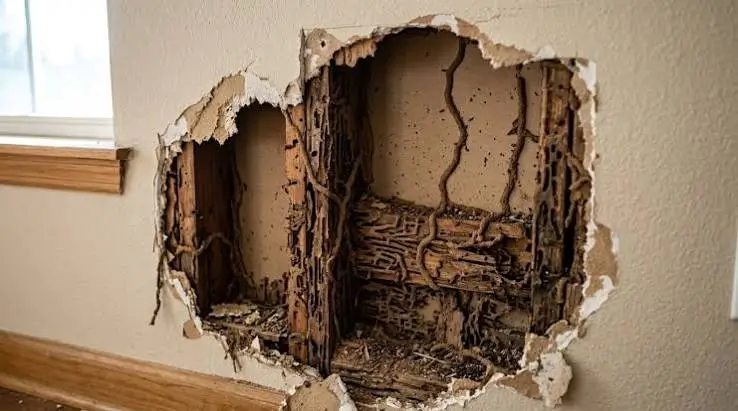
This is where termite problems become hard for a homeowner to spot. Termites can move through concealed spaces and reach wooden framing or other materials containing cellulose, while the room looks perfectly normal.
Sometimes the first symptom looks like a completely different issue: bubbling paint, peeling wallpaper, or a stain that resembles water damage.
If no obvious leak is found and there’s unexplained damage around wooden parts of the wall, get it checked — don’t just repaint.
Under Floors and Around the Foundation
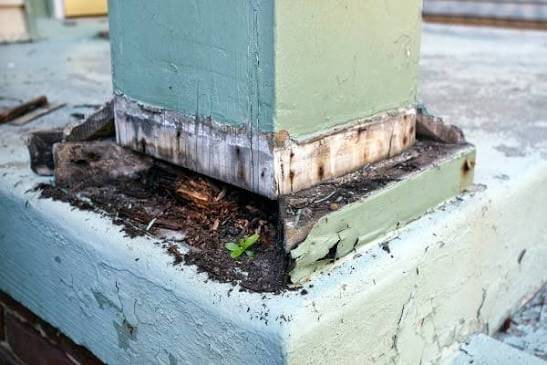
On the ground floor, don’t forget to look down. Subterranean termites live in the soil and can enter structures through foundations and other hidden access points, reaching timber below floor coverings where it’s hard to inspect.
Pay attention if a section of flooring feels different from the rest of the room. A soft or spongy area, unexplained damage near skirting boards, or mud tubes around floor edges.
Soft flooring doesn’t automatically mean termites — water damage can cause similar problems. The aim is to find the real cause.
Kitchens and Bathrooms
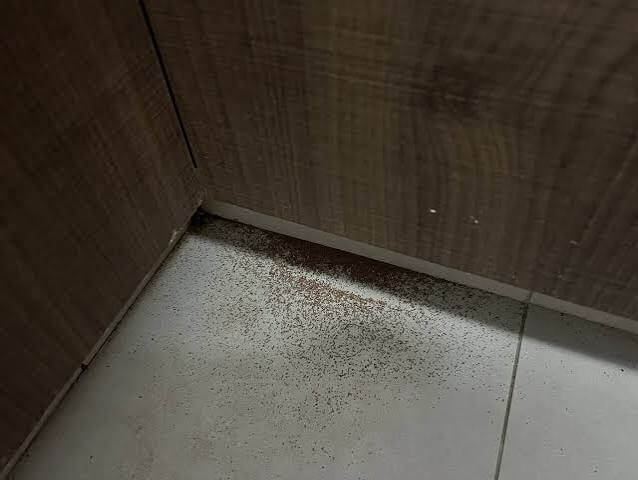
Here’s an area that deserves extra attention because water is regularly used.
Areas to check:
- Underneath the kitchen sink
- The back of lower cabinets
- Around bathroom vanities
- Any wooden areas close to plumbing
If a pipe has been leaking for a while, the surrounding wood may stay damp without being obvious from across the room.
Moisture alone doesn’t prove that termites are present. But damp conditions can make some areas more suitable for termite activity.
Store Rooms, Cardboard Boxes and Forgotten Corners
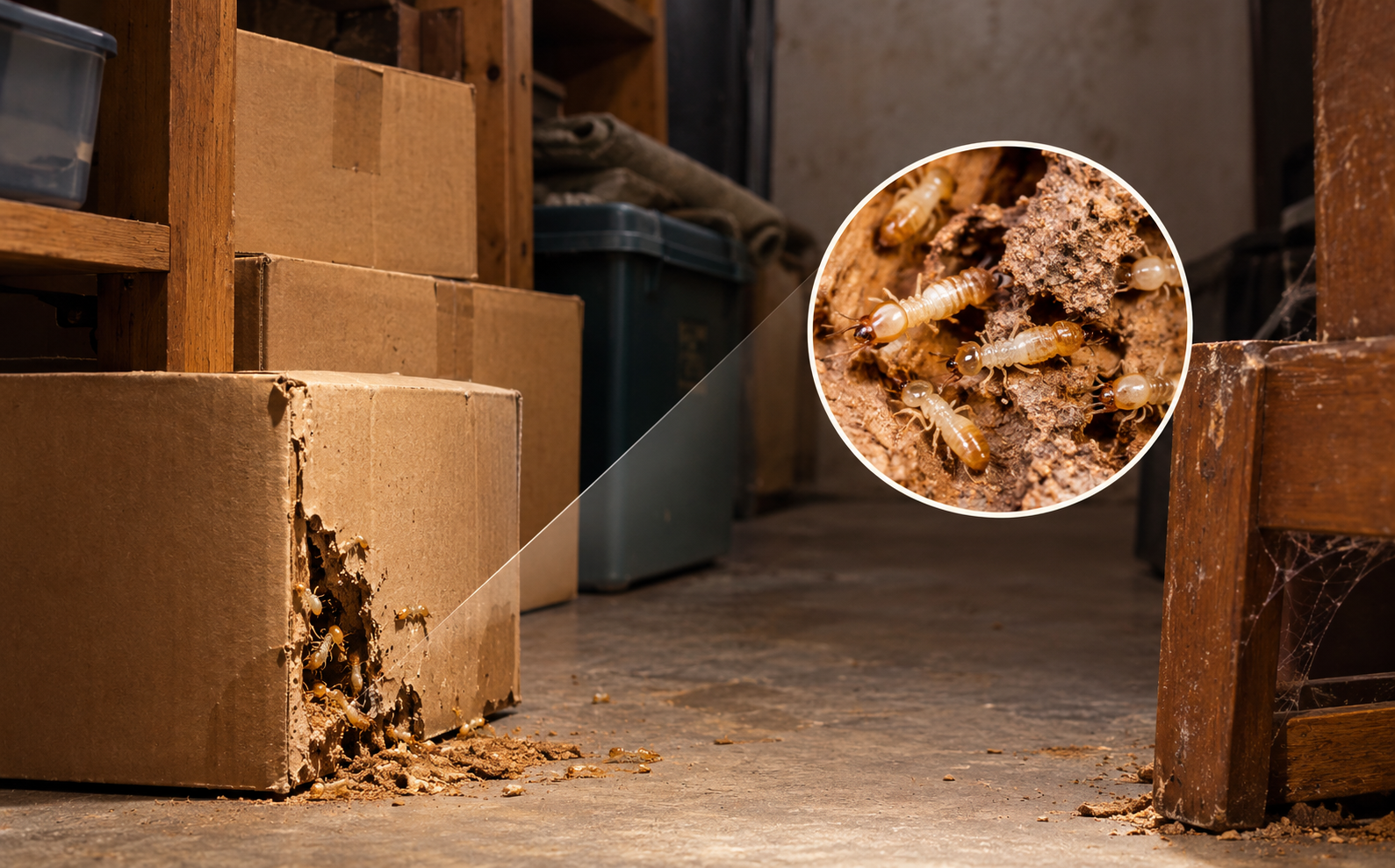
Most people don’t inspect their storage room very often. Once a box goes into a corner, it can stay there for months — which makes cluttered storage areas easy places to miss early signs.
Cardboard and paper contain cellulose, which termites feed on. Don’t only check wooden shelves; also look at:
- Old cartons and newspapers
- Wooden storage racks
- The floor underneath boxes
If you find damaged cardboard, mud-like material or small holes, inspect the surrounding area too.
False Ceilings, Roof Wood and Attic Spaces
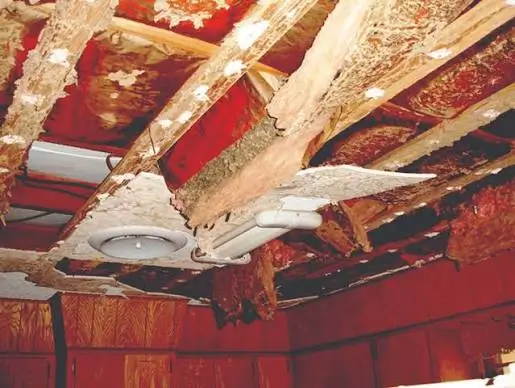
False ceilings and roof spaces offer termites a quiet, undisturbed location. Battens, beams and rafters can be damaged without anything being visible from inside the room.
Where you can access these areas, look for damaged wood, holes, droppings, discarded wings or mud tubes.
Unexplained damage to ceiling or roof wood isn’t always due to age or moisture — an inspection will confirm whether termites are the cause.
A Quick Check Around Your Home
Want to quickly check for termites? Start here — you’re mainly looking for changes without an obvious explanation.
- Move a few pieces of furniture away from the wall.
- Look along the bottom of door frames.
- Check underneath the kitchen sink.
- Walk across ground-floor rooms and notice any flooring that feels different.
Warning signs: mud tubes, discarded wings, hollow or weak wood, unexplained holes and continuing wood damage are all reasons to investigate further.
At Hafiz Pest Control, we inspect properties for termite activity and provide termite treatment service based on the condition and type of infestation. With more than 30 years of experience in pest control, we help homeowners identify termite problems before hidden damage becomes a larger concern.
Spotted Mud Tubes or Hollow Wood? Don't Wait.
Termites cause silent damage every day. Get a professional termite inspection from Hafiz Pest Control and find the source before it becomes a costly repair.
Frequently Asked Questions
Typical hideouts include wooden furniture, wall openings, door frames, floors, foundations, storage rooms and roof spaces. They prefer dark, quiet and sometimes damp locations.
Common signs include mud tubes, discarded wings, hollow wood, small holes and weak wood. When several signs appear together, it’s a good idea to have the area inspected.
Termites don’t normally feed on clothes. They may be found near wardrobes or stored items if wood, cardboard, paper or moisture is nearby.
No single smell or material reliably repels termites. Keeping your home dry, repairing water leaks and blocking entry points are more practical ways to prevent problems.
For homeowners, early detection and proper treatment matter more than any natural enemy. Because termites stay concealed, locating and treating the source is essential.
Spraying can kill visible termites, but it doesn’t necessarily reach hidden activity. If the infestation continues, focus on finding and treating the source, not just the insects you can see.