
Deemak and Termites: Meaning, Life Cycle, Signs, and How to Protect Your Home
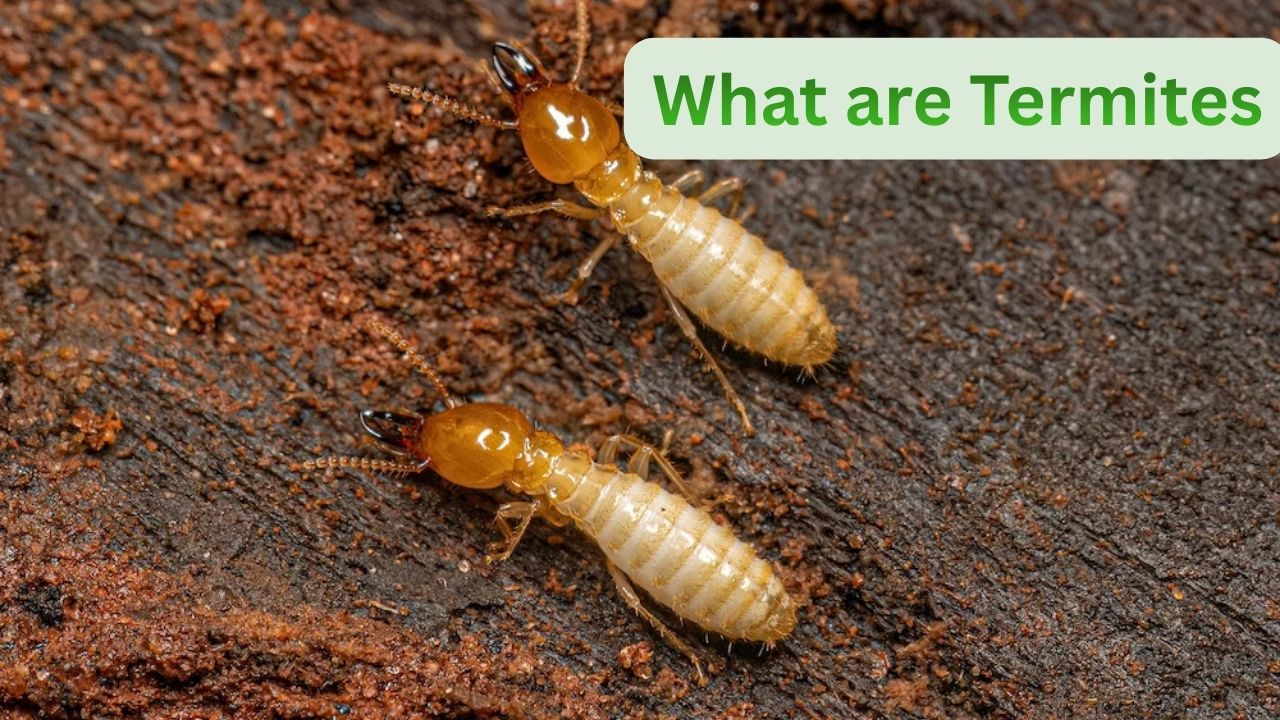
What are Termites ( دیمک )
Termites, also called deemak in Urdu, are small insects that eat wood and plant materials. If someone asks for the meaning, we simply call it a termite or deemak insect is a tiny creature that survives by eating plant fibres and wooden structures.
In many homes, offices, and shops, termites in home are first noticed when wooden items appear hollow or weak. The reason is that the termites are light in colour; some people also call them white ants, but they are actually very different from ants. Ants have a narrow waist and bent antennae, while termites have straight antennae and a thicker body. Termites also usually have wings of equal size when they swarm
Although termites are very small, they can damage wood over months or even years before being noticed. People often search “what are termites”, “termites meaning in urdu(ٹرمائٹ کو اردو میں دیمک کہتے ہے) ”, “deemak meaning in english”(Deemak are also called Termite and Scroll Down to Discover the Most Common Termite Types) or meaning of termites in urdu when they see early signs.
Easy Ways to Identify Termites / Deemak
A termite insect is usually soft-bodied and light cream or brown in colour. Worker termites are small and spend most of their time inside wood or underground tunnels. One common question people search do termites have wings. Yes, reproductive termites
There are many roles of termites inside a colony:
- Worker termites play an important role inside the colony; their responsibility is to collect termite food and build tunnels.
- Soldier termites also play an important role in protecting the colony. They have larger heads and stronger jaws to defend against other insects.
- Reproductive termites are those termites that generate new termites, such as the termite queen, king, flying termites and termite swarmers. One thing that is very strange during warm weather and after rain, you may notice winged termites that leave the colony to start new ones.if you notice deemak on walls, or deemak on wood, which shows a new colony is forming.
Termite Life Cycle and Colony Structure
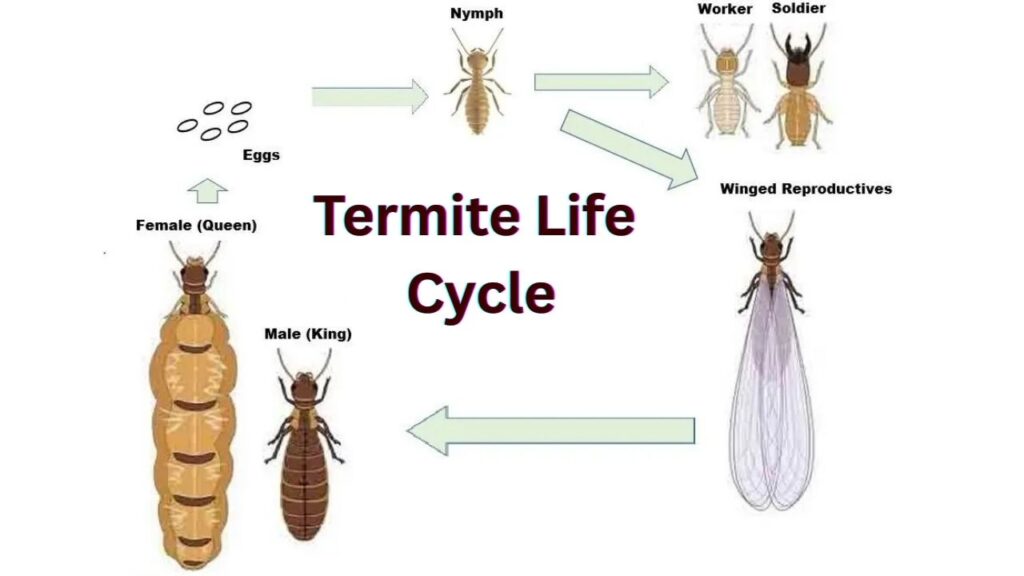
When we talk about the termite life cycle, there are a few interesting steps. First, the queen lays eggs inside the colony. After that, these eggs convert into nymphs, also known as young termites. After that, the nymphs can grow into three different types of termites. A healthy queen can lay thousands of eggs in a year, which helps the colony to grow very rapidly.
Termite colonies usually consist of three main groups called termite castes:
Workers: responsible for feeding the colony and damaging wood
Soldiers: protect the colony from predators
Reproductives: kings, queens, and winged termites that create new colonies
Over time, a termite colony can grow millions of termites working together inside a termite nest. People often search for “termite mother” and “termite process” to understand how colonies expand.
Types of Termites
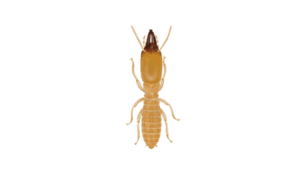
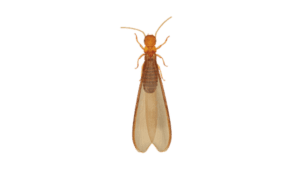
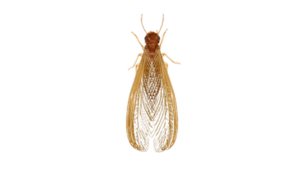
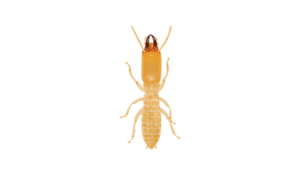
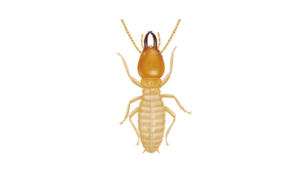
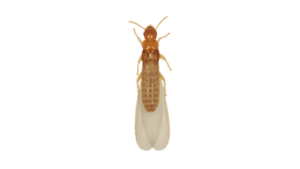
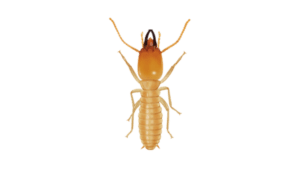
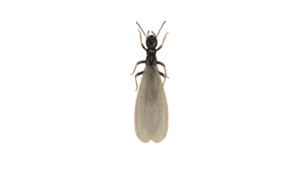
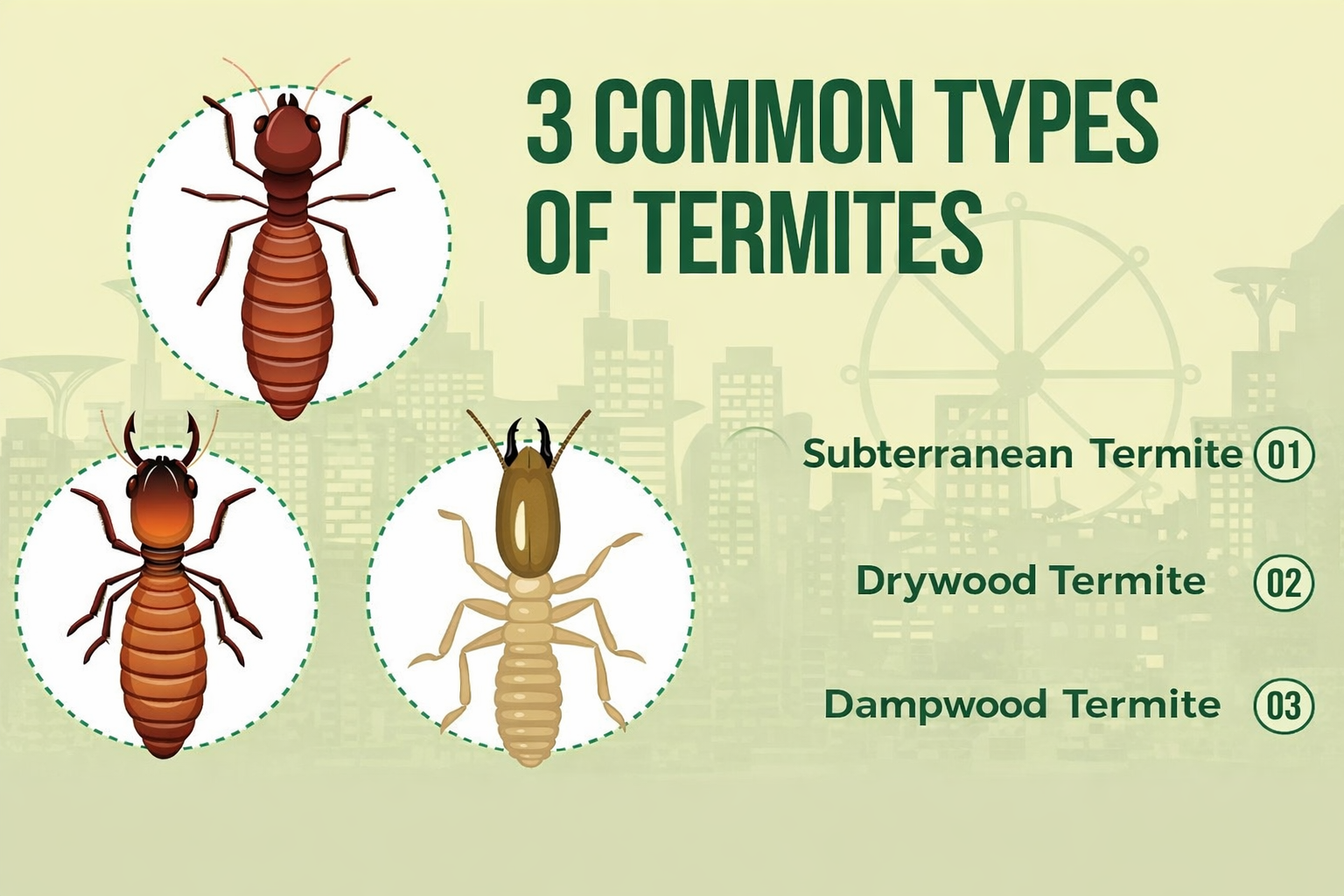
There are many types of termite species that exist all around the world, but we discuss a few types that are most commonly found in houses and buildings, or anywhere wooden items are present.
Subterranean termites The word subterranean means or subterranean meaning in Urdu, the termites that live underground.
Drywood Termites are those termites that live directly inside dry wooden structures.
Dampwood Termites are those termites that usually live in moist or decaying wood.
Other terms people search for: “termiter”, “deemak ka keeda”, “deemak in English”, and “drywood vs subterranean termites”.
Signs of Termites
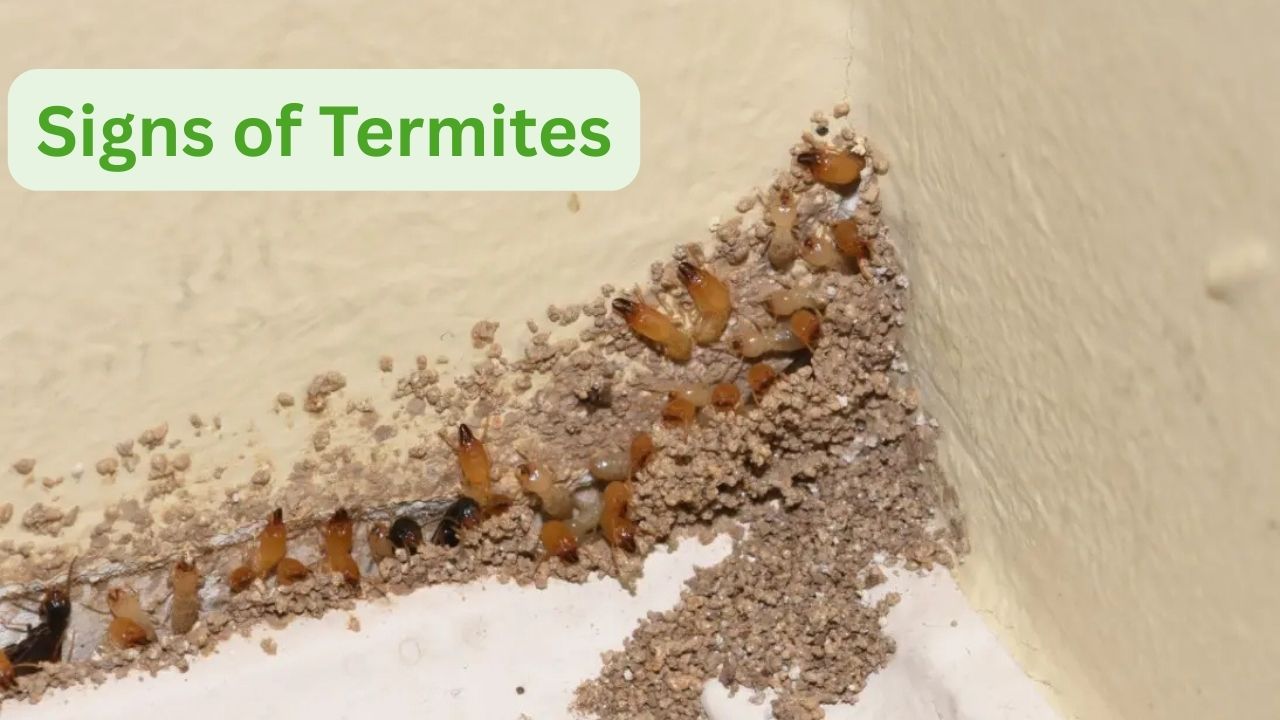
Termites work quietly, so early signs of termites in home include:
- Small termite holes in wood
- mud tunnels or termite tube structures on walls
- Hollow or weak wooden doors
- Termites in ceiling or termites in garden soil
- Piles of wings near windows or lights (flying termites)
- Deemak on wood or termites in wall
Knowing how to detect termites or how to eliminate termites early helps avoid costly repairs. Many also search “does diesel kill termites”, “camel bone for deemak”, or “oont ki haddi aur deemak”, but these methods provide only temporary relief.
Why Termites Come
The main reason termites come into houses, offices, or anywhere wooden things Because Termites look for two things: wood and moisture.
Homes, offices, or other wooden things that provide many places where termites can easily survive, such as:
- Wooden furniture
- Door frames and cupboards
- Roof wood and ceiling structures
- Damp areas near kitchens or bathrooms
If wood touches the soil or moisture is present, termites easily enter and start their colony. People often search “ghar mein deemak lagna”, “deemak chaat rha hai”, and “darakht ko deemak lag jae”
Preventing Termite Damage
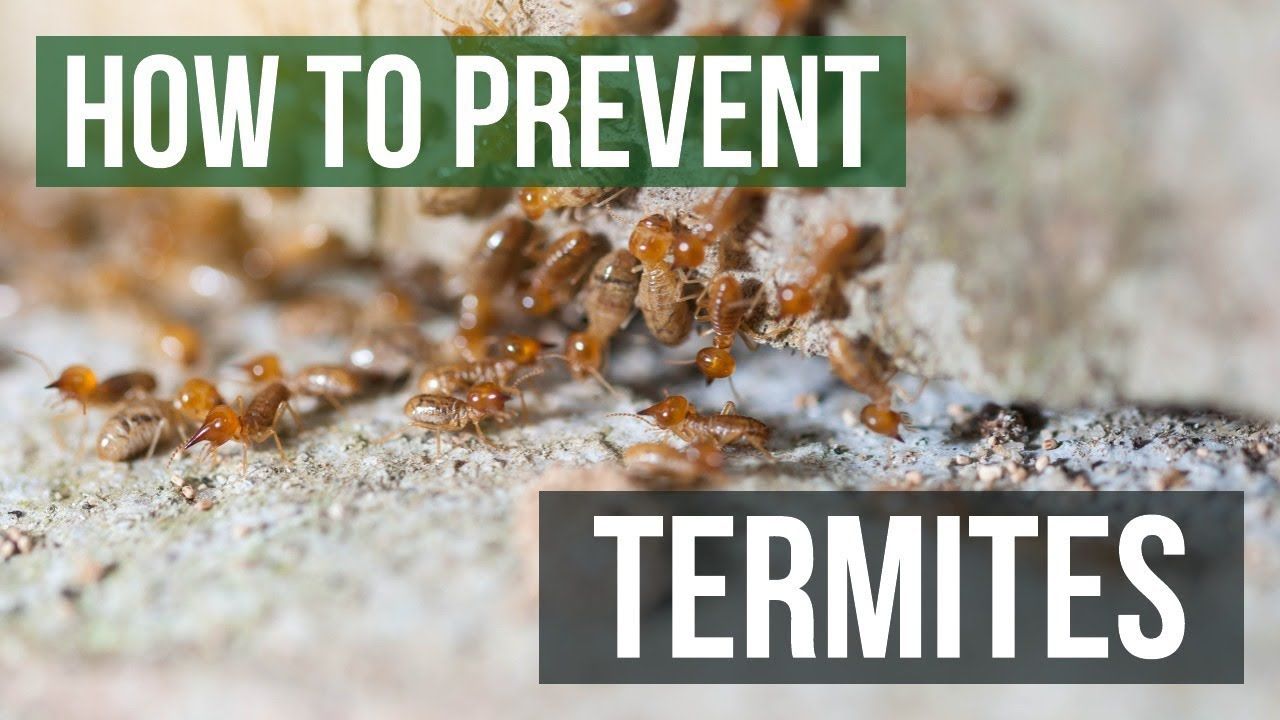
Try to use some important tips that help to prevent termites because it is much easier than repairing termite damage later. A few simple steps can help reduce the chances of termite infestation.
Some helpful anti-termite prevention tips include:
- Keep wooden items away from direct soil contact
- Repair water leaks quickly
- Avoid storing wet wood in the house
- Keep furniture dry and well-ventilated
- Regularly inspect wooden doors and cupboards
- Use termite bait against the termite bug.
People often try choona for deemak, injection for deemak insects, or diesel for termites. Will diesel fuel kill termites, but professional treatment using anti-termite chemicals like Fipronil, Imidacloprid, Chlorpyrifos, and Bifenthrin is more effective.
For help with termite extermination, schedule an appointment to get a free termite inspection from Hafiz Pest Control.
Conclusion
The final words about Termites that damage your wooden things so we must have information about termites also known as deemak, Because their size is so small and they work quietly and often remain hidden, many people do not notice them until when visible damage appears they ignored but after some time they understand what it is, Regular inspections, moisture control, and proper wood maintenance are key steps in preventing termite problems for your wooden materials. Hafiz Pest Control has the best knowledge about pests.
FAQ'S
The English word for deemak is termite.
The difference between ants and termites is their body shape, Antennae, Wings(during swarm) and Color.
There are three most common types of termites that is Subterranean Termites, Drywood Termites and Dampwood Termites.
They are commonly found in wooden doors, cupboards, furniture, ceilings, and damp wooden areas.
There are a few anti-termite chemical injections we use for it, which are Fipronil, Imidacloprid, Chlorpyrifos and Bifenthrin.